A relatively bright comet usually provides a good opportunity to look at a naked eye object from the Oort cloud. The case with Pan-STARRS is a bit different. Although it is supposed to be a naked eye visible object, its current location prevents any sighting without an optical instrument. Being too near the sun, finding it is difficult due to the sun's glare. However, a small window exists to provide us some recording chance. A day earlier, I did a few blind shots at the intended target, but only 1 frame turned up with the comet's image. It was really bad too.
To find the comet, one must be prepared and ready before the sky turns completely dark. One should start searching as soon as the sky turns dark gray. Instead of spotting the comet with the help of a binocular, I opted instead to just try to image it. I pointed my camera at a probable location and start shooting a 3 seconds exposure. After a frame or 2, I managed to spot the comet. After the comet is captured on a frame and setting the camera angle a bit to center the target, I started shooting many frames.
The composite result turned out pretty okay for me, but I think some improvements can still be done. I have a digiscoped setup for longer shots, but it seems the clear window wasn't enough to do more shots. If given another chance with a clear sky, I will attempt a higher magnification shot.
Friday, March 15, 2013
Sunday, January 6, 2013
Hunt for Comet C/2012 K5 Linear
I've been very busy with birding that I missed checking some internet sites about upcoming comets and other events. When a local astronomy enthusiast posted some information about comet C/2012 K5 Linear, I got excited. I was in the province a few days ago, but I wasn't able to check on the sky that much even though the sky's supposed to be darker there. It's probably too late now that I'm already back in Metro Manila, I have to contend myself with a much less favorable sky condition.
The first thing I checked before searching the comet is to get a location chart. After getting a semi-detailed location info, I proceed to my observation deck on Friday night (2012-01-04) with a 15x70 binocular and my imaging setup: ST-80 on a CG-4 mount, eyepiece bag and my trusty Canon Powershot A590 camera. Scanning the sky with my bins, I failed to detect any trace of the usual smudge in the sky. I only saw the 3 beautiful cluster in Auriga. Not satisfied, I setup my scope and took some relatively short exposures of 15sec at ISO1600. Moving slightly along the supposed location after every shot, I managed to get a hint of the blur in one frame. With the comet's location found, I started the longer exposures. A few hours later, after processing and combining the images, the result can be seen below.
The comet appears to shift a bit in every 32sec exposure (32s + 32s dark frame) I made. The result shows the background stars streaking, an indication that this is a fast-moving comet.
Two days later (2013-01-06), I took another composite of the comet. This time using shorter and less frames since I didn't get the polar alignment accurate enough.
I also made a timelapse animation of the motion of the comet.
The first thing I checked before searching the comet is to get a location chart. After getting a semi-detailed location info, I proceed to my observation deck on Friday night (2012-01-04) with a 15x70 binocular and my imaging setup: ST-80 on a CG-4 mount, eyepiece bag and my trusty Canon Powershot A590 camera. Scanning the sky with my bins, I failed to detect any trace of the usual smudge in the sky. I only saw the 3 beautiful cluster in Auriga. Not satisfied, I setup my scope and took some relatively short exposures of 15sec at ISO1600. Moving slightly along the supposed location after every shot, I managed to get a hint of the blur in one frame. With the comet's location found, I started the longer exposures. A few hours later, after processing and combining the images, the result can be seen below.
The comet appears to shift a bit in every 32sec exposure (32s + 32s dark frame) I made. The result shows the background stars streaking, an indication that this is a fast-moving comet.
Two days later (2013-01-06), I took another composite of the comet. This time using shorter and less frames since I didn't get the polar alignment accurate enough.
I also made a timelapse animation of the motion of the comet.
Vacation in the Province (2012-12-22 to 2013-01-01)
I returned to the province during the holidays to spend it with my family. During those times, I also went to nearby places to do some birding, bike and hike around, and just enjoy the view.
I managed to get a lifer, the Indigo Banded Kingfisher.
Here are the other bird pictures I took as souvenir. ;)
Chestnut munia
Asian glossy starling
Barn swallow
Glossy swiftlet
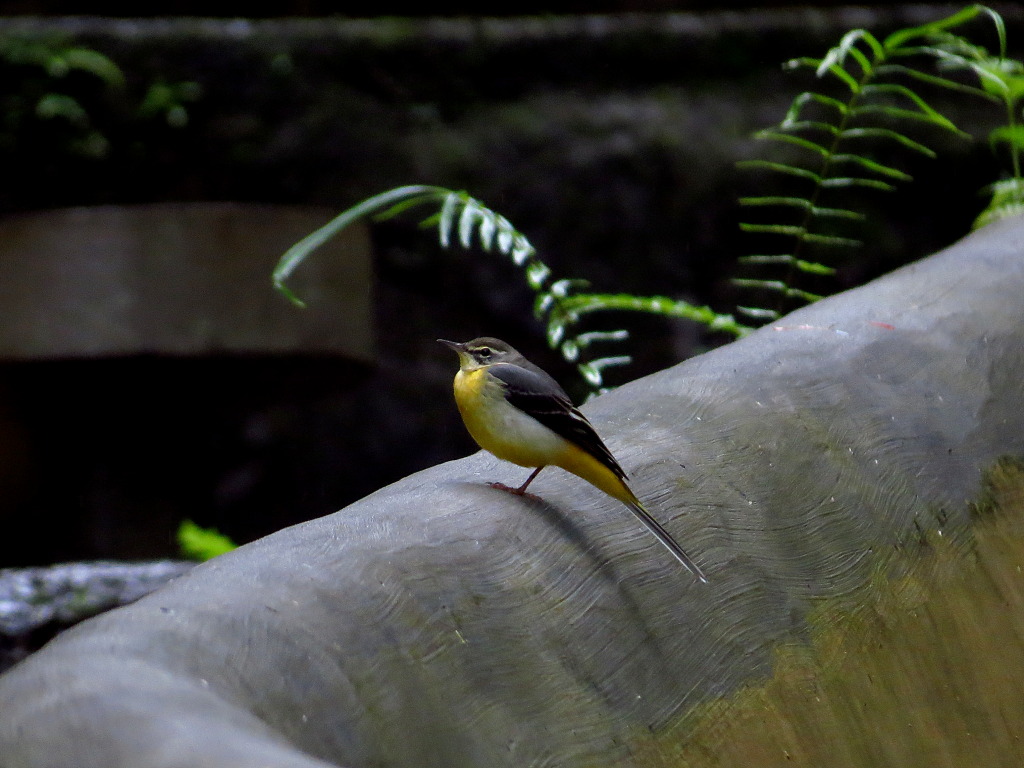
Gray wagtail
Olive backed sunbird
Red keeled flowerpecker
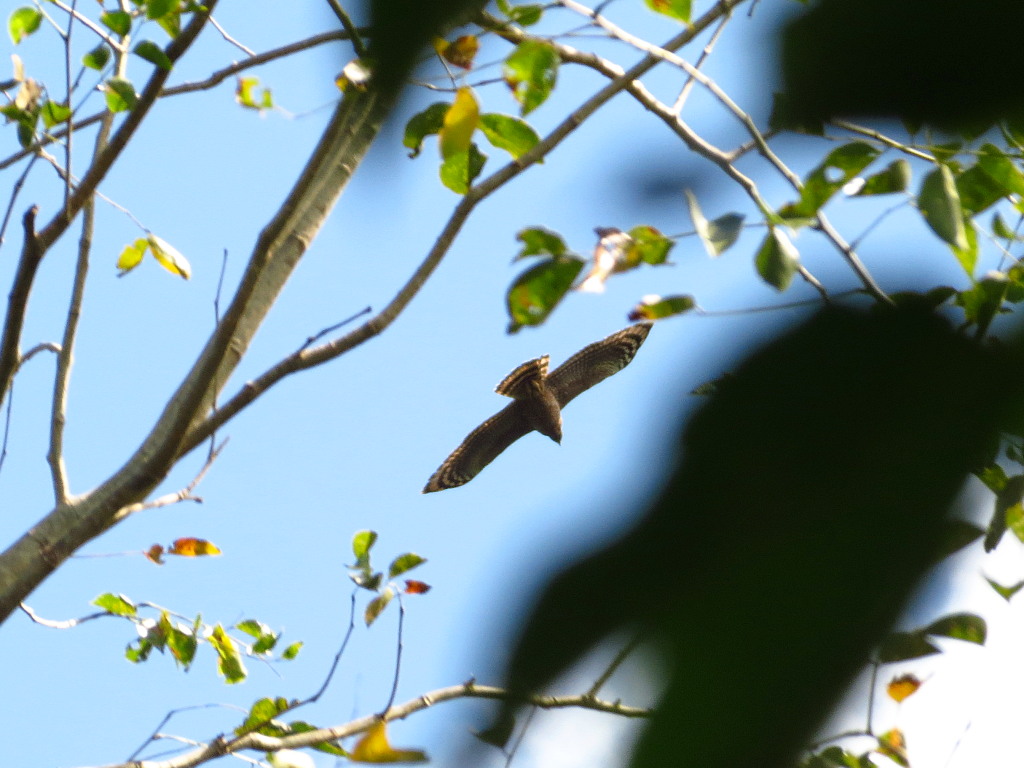
Philippine serpent eagle
Striated swallow
White collared kingfisher
Lowland white-eye
Subscribe to:
Posts (Atom)